Best Gymnastics Clubs in Wolverhampton
Compare trusted Wolverhampton gymnastics clubs for recreational classes, competitive squads, KinderGym and holiday programs, then call the right one direct.
Gymnastics Clubs in Other West Midlands Cities
About gymnastics clubs in Wolverhampton
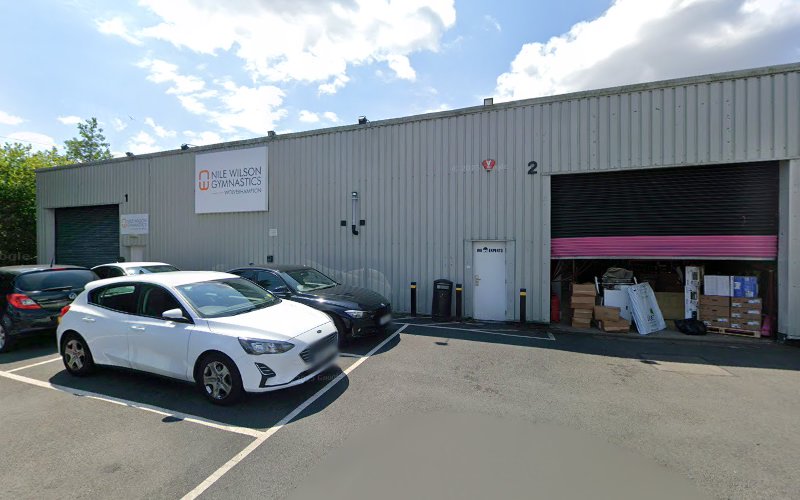
Compare 2 rated gymnastics club businesses in Wolverhampton, West Midlands. Ratings range from 4.5 to 5.0 stars.
Frequently Asked Questions About Gymnastics Clubs in Wolverhampton
Many gymnastics clubs in Wolverhampton welcome children from around eighteen months to two years old through dedicated KinderGym or preschool programmes. These sessions are designed for very young children and typically involve a parent or carer joining in, helping toddlers develop balance, coordination and confidence on age-appropriate equipment. From around four or five years old, children can usually move into junior recreational classes where they begin working more independently with a coach. There is no upper age limit for starting gymnastics recreationally, older children, teenagers and adults all take up classes successfully. If your child is older and interested in a competitive pathway, clubs will assess their development and advise on whether a squad programme is suitable. The directory listings show the specific age groups each Wolverhampton club caters for, making it straightforward to find the right fit.
Start by thinking about what your child actually wants from gymnastics, casual fun, a structured recreational programme, or eventually competitive squads in disciplines such as women's artistic, men's artistic, trampolining or acro. On this directory you can compare Wolverhampton clubs by their ratings and read about the programmes and age groups each one runs. Check what apparatus and facilities a club has, and whether it offers KinderGym for younger children, holiday camps, birthday parties or open gym sessions, which can be a low-pressure way to try things out. It is also worth looking at whether a club is affiliated with British Gymnastics, as affiliation means coaches hold recognised qualifications and safe-sport policies are in place. Practical factors matter too, consider how easy each venue is to reach from your part of Wolverhampton or the wider West Midlands, and whether session times fit around school commitments.
Recreational gymnastics is designed for children and adults who want to enjoy the sport for its own sake, building fitness, flexibility, coordination and confidence without the pressure of competition. Classes usually follow a structured but relaxed syllabus, and gymnasts progress at their own pace. Competitive gymnastics involves being selected for a squad, training more frequently and working towards specific performance standards in order to enter local, regional and national competitions. In the West Midlands there are clubs that offer pathways in disciplines including women's and men's artistic gymnastics, rhythmic gymnastics, trampolining, tumbling and acrobatic gymnastics. Moving from recreational to competitive is not automatic; coaches will identify gymnasts who show the commitment and physical potential for squad training. Many children spend years happily in recreational classes and never pursue competition, both routes are entirely valid.
Fees vary considerably between clubs and depend on factors such as the type of programme, the age group, how many sessions per week are included and whether the club operates on a term-by-term basis or accepts casual bookings. Recreational classes are usually charged termly in line with the school calendar, and the fee often covers coaching, use of equipment and British Gymnastics membership or insurance where a club is affiliated. Competitive squad training tends to be structured differently, with fees reflecting a higher number of weekly training hours. Some clubs charge a one-off registration fee when a child first joins, and there may be additional costs for leotards, competition licences or away events further into a competitive pathway. Because pricing differs across Wolverhampton clubs, the most reliable approach is to compare listings on the directory and contact individual clubs directly for current fee information.
Most clubs structure first sessions to help children settle in gradually rather than throwing them straight into complex skills. Your child will usually begin with a warm-up, often involving games that make movement fun while preparing the body for exercise. Coaches will introduce basic movements, rolls, jumps, balances and simple travelling skills, across different pieces of apparatus, though beginners typically work at floor level and on low equipment before progressing. Class sizes vary by club, but coaches aim to keep groups manageable so each child receives attention and guidance. Children are generally grouped by age and ability, so your child should be alongside peers at a similar stage. Wear comfortable, fitted clothing without zips or buttons that could catch on equipment, and long hair should be tied back. Most importantly, the first class is meant to be enjoyable, so nerves are entirely normal and coaches are used to welcoming newcomers.