Best Gymnastics Clubs in Glasgow
Compare trusted Glasgow gymnastics clubs for recreational classes, competitive squads, KinderGym and holiday programs, then call the right one direct.
Gymnastics Clubs in Other Scotland Cities
Browse all Gymnastics Clubs in Glasgow
Complete list of all 46 businesses in this directory.
- Alba Trampoline Club — Glasgow, Scotland
- All Star Elite Trampoline & DMT Team — East Kilbride, Scotland
- Allander Gymnastics Club — Glasgow, Scotland
- Avondale Gymnastics Club — Larkhall, Scotland
- Bishopbriggs Acro GC — Glasgow, Scotland
- Cameo GC — Glasgow, Scotland
- City of Glasgow GC — Glasgow, Scotland
- Clyde valley gymnastics club — Dumbarton, Scotland
- Cumbernauld GC — Glasgow, Scotland
- Drumchapel GC — Drumchapel, Scotland
- Dynamic Gymnastics Academy — Motherwell, Scotland
- Dynamite Gymnastics Club — Clydebank, Scotland
- East Kilbride GC — Glasgow, Scotland
- East Kilbride GC — Glasgow, Scotland
- Elevate Acro Gymnastics Club — Larkhall, Scotland
- Evolve Gymnastics Club (Scotland) — Glasgow, Scotland
- Evolve Gymnastics Club (Scotland) — Glasgow, Scotland
- Flair Gymnastics Club — Glasgow, Scotland
- Glasgow Uni GC — Glasgow, Scotland
- Glasgow Uni GC — Glasgow, Scotland
- Hamilton GC — Glasgow, Scotland
- Hamilton GC — Hamilton, Scotland
- Head Over Heels GC — Glasgow, Scotland
- Illusion GC — Glasgow, Scotland
- Innovate Gymnastics Club — Glasgow, Scotland
- Inspire Gymnastics Academy SCOTLAND — Glasgow, Scotland
- JUMP Gymnastics Club / Open JUMP Play Gym — Glasgow, Scotland
- KC Gymnastics — Glasgow, Scotland
- Kingston Gymnastics Club — Glasgow, Scotland
- Lenzie Woodhead GC — Glasgow, Scotland
- Lenzie Woodhead GC — GLASGOW, Scotland
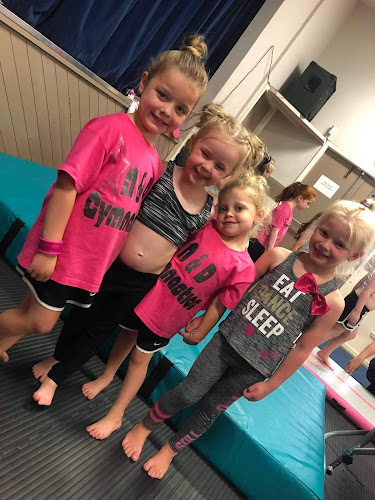
- N&D Gymnastics Club — Glasgow, Scotland
- Newton Mearns Gymnastics Club — Glasgow, Scotland
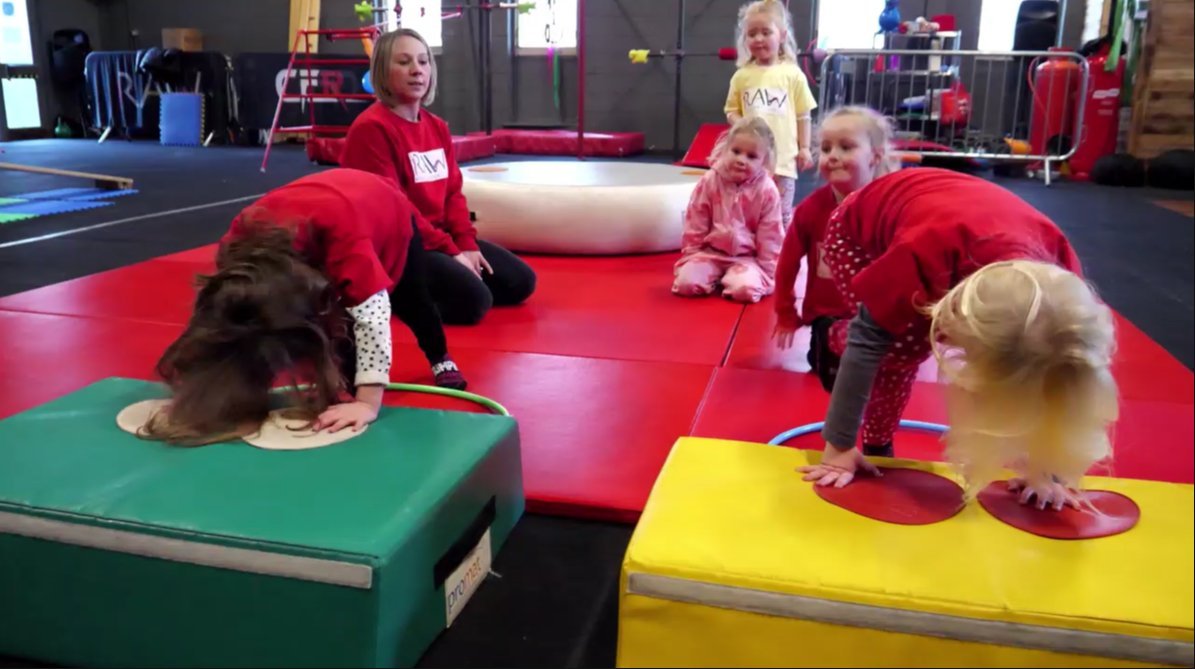
- RAW Kids Gymnastics Kinning Park — Glasgow, Scotland
- Sapphire GC — Glasgow, Scotland
- Scotia Trampoline Academy — Paisley, Scotland
- South Lanarkshire TC — Glasgow, Scotland
- Sparta Trampoline Club SCIO — Glasgow, Scotland
- Spectrum GC — Glasgow, Scotland
- Storm Gymnastics — Paisley, Scotland
- Storm Gymnastics — Glasgow, Scotland
- Storm Gymnastics Club — Renfrew, Scotland
- Strathclyde Uni TC — Glasgow, Scotland
- Tumble Tots Glasgow — Scotland, Scotland
- West Dunbartonshire Gymnastics Club — Dumbarton, Scotland
- Zippy's Gymnastics Academy Ltd — Glasgow, Scotland
About gymnastics clubs in Glasgow
Compare 46 rated gymnastics club businesses in Glasgow, Scotland. 1 is noted by reviewers for good value.
Frequently Asked Questions About Gymnastics Clubs in Glasgow
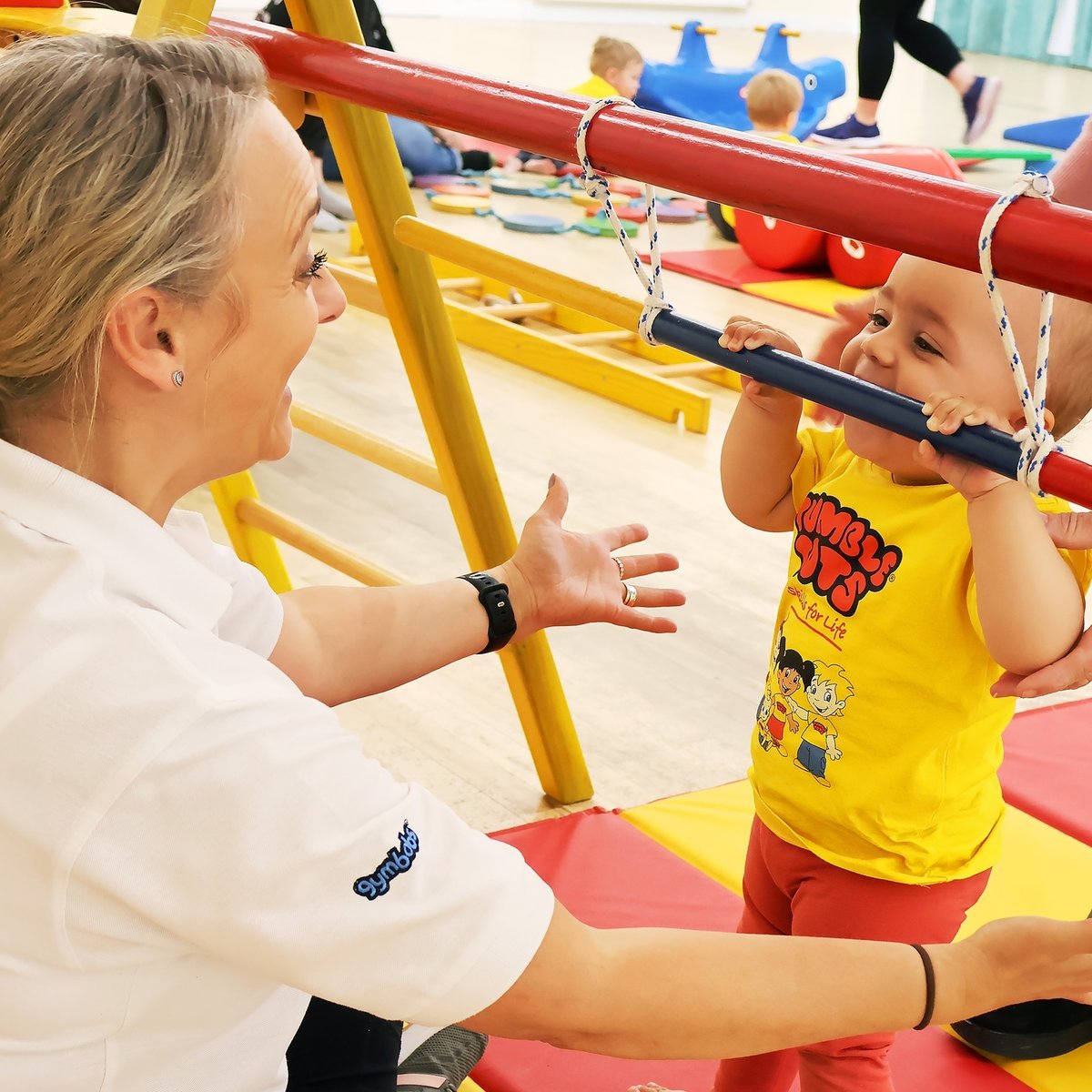
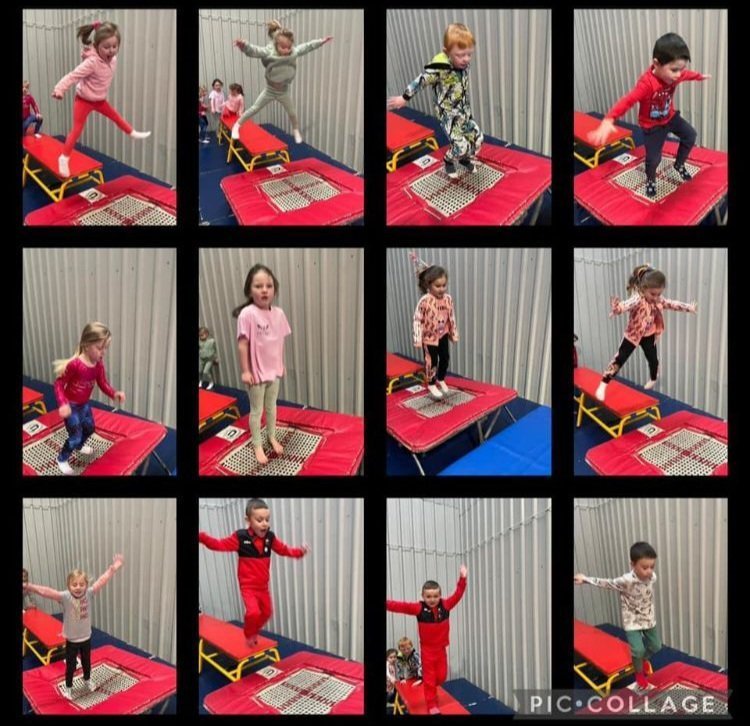
Many gymnastics clubs in Glasgow offer preschool or KinderGym programmes for children from around 18 months to 5 years old, usually with a parent or carer joining in during sessions. These early classes focus on movement, coordination, and confidence rather than formal gymnastics skills.
From around age 5 or 6, children can typically move into recreational classes independently, working on basic skills like rolls, balances, and jumps. There is no single right age to start, younger children benefit from playful introduction to movement, while older children and teenagers can join recreational or even beginner squad programmes.
Adults looking to try gymnastics for the first time will also find some Glasgow clubs cater for them. Checking each club listing on this directory will show you the specific age groups each programme accepts.
Start by thinking about what your child actually wants from gymnastics, recreational fun, social classes, or a more structured competitive pathway. On this directory you can compare Glasgow clubs by their ratings, the programmes they offer, and the age groups they cater for.
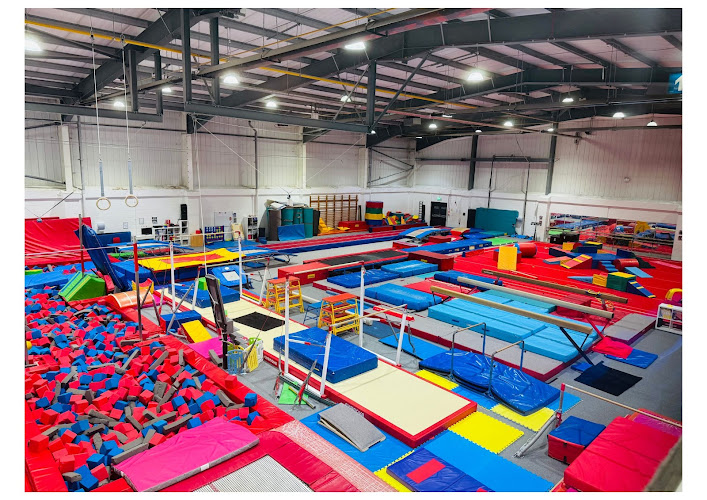
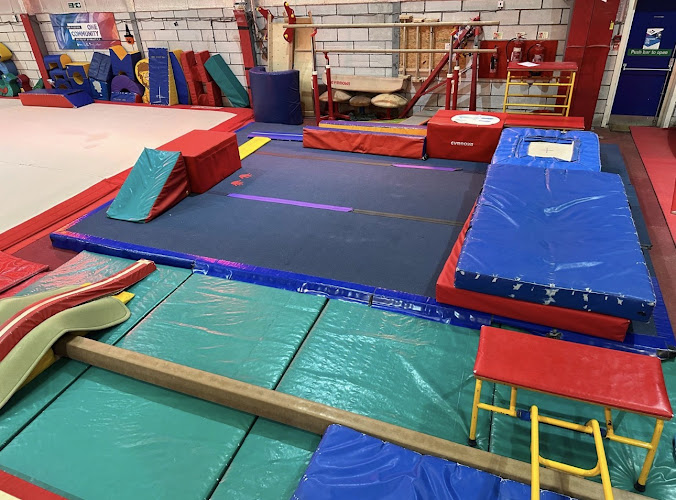
Look at whether a club runs KinderGym for young children, holiday camps, birthday parties, or competitive squads in disciplines such as WAG, MAG, rhythmic, trampoline, or acro. Check the apparatus and facilities listed for each club, since a club with a foam pit or sprung floor may suit different goals than a smaller recreational centre.
Affiliation with British Gymnastics is worth noting, as affiliated clubs follow accreditation and safe-sport standards. Practical factors such as location within Glasgow and session times alongside school-term schedules also matter, particularly if your child may later need to travel for competitive squad training.
Recreational gymnastics is designed for children who want to enjoy the sport for fun, fitness, and social interaction without the pressure of competing. Classes typically run once a week during school terms and cover a broad range of skills across apparatus suited to the age group.
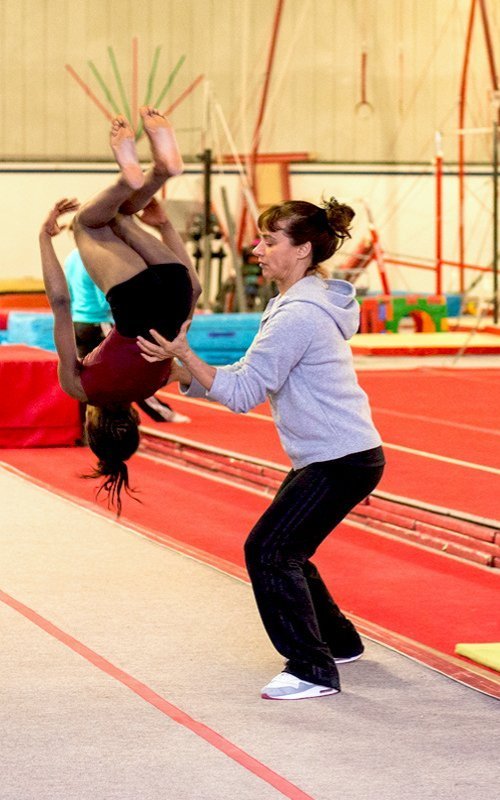
Competitive gymnastics, sometimes called squad training, involves a higher commitment of time and intensity. Children selected for a squad may train several times a week and take part in regional or national competitions through a structured pathway.
In Scotland this pathway is organised through British Gymnastics and Gymnastics Scotland. Disciplines include Women's Artistic, Men's Artistic, rhythmic, trampoline, tumbling, and acro.
Most children begin recreationally and are invited to join a squad if coaches spot potential and the family is ready for the increased commitment. Neither route is better, it depends entirely on what suits your child.
Gymnastics class fees vary considerably between clubs in Glasgow, so it is not possible to give a single figure. Recreational classes are usually charged on a term basis, broadly aligned with the Scottish school term calendar, meaning fees are paid in advance for a block of sessions rather than weekly.
The term fee typically covers coaching and, in affiliated clubs, gymnast insurance through British Gymnastics. There is often a one-off registration fee when a child first joins.
Competitive squad training tends to carry higher fees reflecting the greater number of weekly sessions and the cost of competitions, travel, and leotards or kit. Some clubs also offer holiday camps or birthday party sessions priced separately.
Comparing clubs on this directory allows families to review what each programme includes before making contact to ask about current fees directly.
Most first gymnastics classes in Glasgow are relaxed and welcoming, designed to help new children settle in quickly. Your child will likely begin with a warm-up involving games and movement activities to get the body ready and build familiarity with the gym space.
Coaches will introduce basic skills appropriate to the age group, things like forward rolls, jumping, balancing, and simple travelling movements, using age-appropriate apparatus in a supervised and orderly way. Children are rarely pushed beyond what they feel comfortable attempting on a first visit.
Wearing comfortable, fitted sportswear and leaving jewellery at home is standard practice. In KinderGym sessions, parents or carers typically stay on the floor and join in.
For older children's classes, parents usually watch from a designated area. Arriving a few minutes early gives your child time to get changed and meet their coach before the session begins.