Best Gymnastics Clubs in Other Areas
Compare trusted Other Areas gymnastics clubs for recreational classes, competitive squads, KinderGym and holiday programs, then call the right one direct.
Gymnastics Clubs in Other Areas
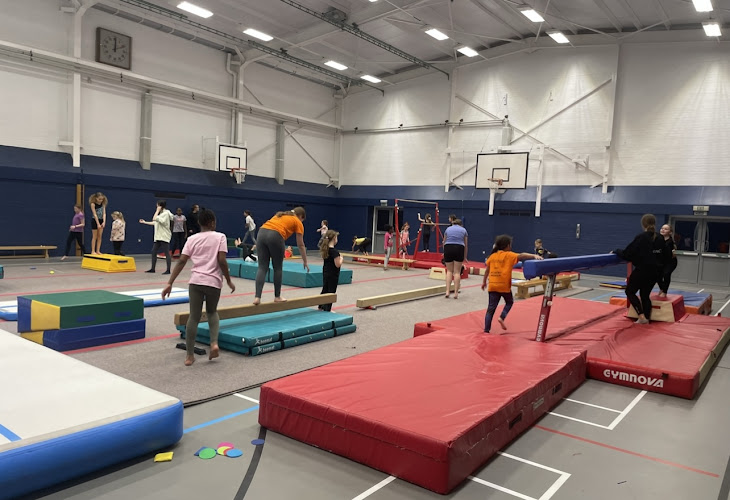
About gymnastics clubs in Other Areas
Compare 1 rated gymnastics club business in Other Areas, Other Areas. 1 is noted by reviewers for good value.
Frequently Asked Questions About Gymnastics Clubs in Other Areas
Most gymnastics clubs in Other Areas welcome children from around eighteen months to two years old through KinderGym or preschool programmes, which use age-appropriate equipment and playful activities to build coordination, balance and confidence. Structured recreational classes typically begin from age three or four, once children can follow simple instructions in a group setting.
There is no upper age limit for starting gymnastics; older children, teenagers and adults can all join recreational classes designed around their stage of development. If you are hoping your child might eventually follow a competitive pathway, starting young does help, but many clubs also identify talented gymnasts from their recreational classes at any age and invite them to join development squads.
Start by comparing clubs listed on this directory, where you can filter by the programmes offered, the age groups catered for, and the facilities and apparatus available. Some clubs in Other Areas run KinderGym for toddlers, holiday camps, birthday parties or open gym sessions alongside their regular classes, which can be useful if you want flexibility.
Others specialise in competitive disciplines such as Women's Artistic, Men's Artistic, rhythmic, trampoline or acrobatic gymnastics. Checking whether a club is affiliated with British Gymnastics is a sound starting point, as affiliation signals accredited coaches, insurance cover and safeguarding policies.
Reading the ratings and any parent reviews on each listing can also help you judge the atmosphere and quality of coaching before you visit or book a trial class.
Recreational gymnastics is designed to be enjoyable and inclusive, with no pressure to perform or compete. Children develop physical skills, flexibility and body awareness at their own pace, often in mixed-ability groups.
Competitive gymnastics involves training towards club, regional or national competitions within a structured pathway, usually through disciplines such as Women's Artistic, Men's Artistic, rhythmic, trampoline, tumbling or acrobatic gymnastics. Competitive squads typically train several times a week and follow progression grades set by British Gymnastics.
Many families in Other Areas start their child in recreational classes simply for the physical and social benefits, and some children are later invited to join a squad if they show particular aptitude. There is no obligation to pursue competition, and recreational gymnastics is a rewarding activity in its own right for children of all abilities.
Fees vary considerably between clubs and depend on the type of programme, how many sessions per week are involved, and the facilities on offer. Recreational classes are most commonly charged on a term-by-term basis, with the cost covering a set number of sessions aligned to the school calendar.
Some clubs also charge a one-off registration fee and include British Gymnastics membership, which provides personal accident insurance, as part of the overall cost. Competitive squad fees are generally higher than recreational fees because of the increased training hours, competition licences and specialist coaching involved.
Holiday camps and birthday parties are usually priced separately from regular term-time classes. The clearest way to compare what clubs in Other Areas charge is to check the individual listings on this directory, where clubs typically publish or link to their current fee information.
Most first sessions are relaxed and focused on making children feel comfortable in the gym environment. A coach will usually start with a warm-up involving games or movement activities suited to the age group, then guide children through a circuit of basic skills on different apparatus such as floor, beam, bars or the trampoline, depending on what the club has and the age of the class.
Children are not expected to have any prior experience; the session is about exploring movement and beginning to build foundational skills. Coaches will give clear, encouraging instructions and ensure the session is supervised safely at all times.
Many clubs in Other Areas offer a trial class so your child can get a feel for the group and the environment before you commit to a full term, so it is worth asking when you make contact.