Best Gymnastics Clubs in Blackpool
Compare trusted Blackpool gymnastics clubs for recreational classes, competitive squads, KinderGym and holiday programs, then call the right one direct.
Gymnastics Clubs in Other North West Cities
About gymnastics clubs in Blackpool
Compare 4 rated gymnastics club businesses in Blackpool, North West.
Frequently Asked Questions About Gymnastics Clubs in Blackpool
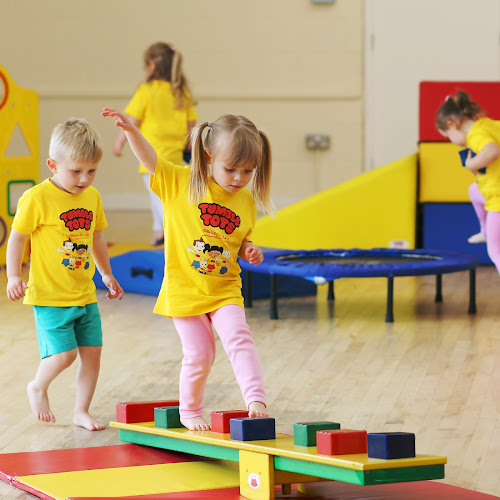
Many gymnastics clubs in Blackpool offer KinderGym or preschool sessions for children from around eighteen months to five years old, so you do not need to wait until school age. These early classes are designed around movement, play, and coordination rather than formal technique, making them accessible even for very young toddlers attending with a parent or carer.
From roughly five or six years, children can typically move into recreational gymnastics classes in a small group setting. There is no upper age limit for beginners either, older children, teenagers, and adults can all start from scratch in recreational classes.
If your child shows a strong interest and natural ability, coaches can identify potential for a competitive pathway, but that conversation usually happens naturally after a few months of regular classes.
Start by checking which programmes a club runs, not every club in Blackpool offers KinderGym, acrobatics, rhythmic gymnastics, trampoline, or tumbling, so confirming that the right age group and discipline is available before visiting saves time. On this directory you can compare Blackpool gymnastics clubs by their ratings, the apparatus and facilities they have, the age groups they cater for, and whether they run holiday camps, birthday parties, or competitive squads alongside recreational classes.
Look for clubs where coaches hold recognised qualifications and where there is a clear safe-sport policy in place. It is also worth considering practical factors like how straightforward the club is to reach from Blackpool town centre or the Fylde Coast, whether sessions fit around school hours, and how welcoming the environment feels when you visit or watch a trial class.
Recreational gymnastics is designed for enjoyment, fitness, and building fundamental movement skills, with no obligation to enter competitions. Classes tend to follow a structured but relaxed format, and children progress through skill levels at a comfortable pace.
Competitive gymnastics, which covers disciplines such as Women's Artistic, Men's Artistic, rhythmic, trampoline, tumbling, and acrobatics, involves training with greater frequency and intensity, working towards club, regional, and national competition standards. In the North West, competitive gymnasts often travel to regional venues for events run under British Gymnastics frameworks, so the time and travel commitment is notably greater than recreational participation.
Most clubs start children in recreational sessions and then invite those who show particular dedication or talent to trial for a squad. Families should talk openly with coaches about both routes before committing to one pathway.
Fees vary considerably between clubs, so it is worth comparing listings carefully on this directory rather than assuming one club's pricing reflects another's. Recreational classes are typically charged on a term-by-term basis aligned with school terms, meaning you pay a set amount for a fixed number of weekly sessions each term.
Some clubs also charge a one-off registration or membership fee that covers British Gymnastics insurance and administration. Competitive squad members usually pay separately and at a higher rate to reflect the additional coaching hours, and there are normally competition entry fees and kit costs on top of regular training fees.
Casual drop-in sessions, holiday camps, and birthday parties each tend to follow their own pricing structure. Checking each club's listing on the directory gives you the clearest picture of what is included and how payments are organised.
For a first session, children should arrive in comfortable, fitted clothing, a leotard or shorts and a T-shirt without buttons or zips are standard, and bare feet are the norm on the gym floor. Most clubs begin with a warm-up that gets children moving, stretching, and feeling at ease in the space.
Coaches will introduce basic skills suited to the group's age and ability, and younger children in particular will spend a good portion of the session on floor exercises and simple apparatus work rather than anything advanced. There is usually a structured but friendly atmosphere, and your child will not be expected to perform or demonstrate on their own straight away.
It is entirely normal for children to feel a little shy initially, and experienced coaches are used to settling newcomers in at their own pace. Watching the first session rather than staying throughout can sometimes help children engage more quickly.