Best Gymnastics Clubs in Harrow
Compare trusted Harrow gymnastics clubs for recreational classes, competitive squads, KinderGym and holiday programs, then call the right one direct.
Gymnastics Clubs in Other London Cities
About gymnastics clubs in Harrow
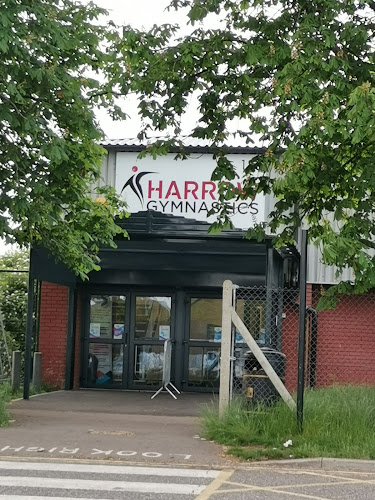
Compare 2 rated gymnastics club businesses in Harrow, London.
Frequently Asked Questions About Gymnastics Clubs in Harrow
Children can begin gymnastics from as young as eighteen months to two years old through KinderGym or preschool programmes, which focus on movement, balance, and coordination in a playful, parent-accompanied setting. From around three or four years old, many clubs offer dedicated toddler or pre-school classes where children start working more independently with coaches. Recreational classes for school-age children typically begin at four or five years old. If you are hoping for a competitive pathway, for example in Women's Artistic, Men's Artistic, rhythmic, or trampolining, some clubs in the Harrow area begin talent identification from around six or seven, though enjoyment and physical readiness always come first. Starting early is never compulsory; children who begin gymnastics at eight, ten, or even in their teens can still progress well in recreational classes and beyond.
Start by checking which programmes a club actually runs, since not all offer every discipline. Some specialise in recreational gymnastics for younger children, while others run competitive squads in Women's Artistic, Men's Artistic, trampolining, acrobatics, or rhythmic gymnastics. On this directory you can compare Harrow clubs by their ratings, the age groups they cater for, the apparatus they have available, and whether they offer KinderGym, holiday camps, birthday parties, or open gym sessions. Affiliation with British Gymnastics is worth looking for, as it indicates coaches hold recognised qualifications and the club follows safe-sport policies. Consider practical factors too: how close the venue is to your home or your child's school in Harrow, whether class times fit around the school term, and how easy the club makes it to try a taster session before committing to a full term.
Recreational gymnastics is designed for children who want to enjoy movement, learn basic skills, and grow in confidence without the pressure of competition. Classes tend to follow a broad syllabus covering floor, vault, bars, and beam or trampoline depending on the club, and they welcome children of all abilities. Competitive gymnastics involves joining a squad, training several times a week, and progressing through a structured pathway, for example British Gymnastics grades and levels in artistic or rhythmic disciplines, or the trampolining and tumbling competition circuits. Squad training requires a greater time commitment from both children and families, including travel to competitions across London and beyond. Many children begin recreationally and are later invited to trial for a squad if they show aptitude and enthusiasm. There is no obligation to pursue competition, and recreational gymnastics is rewarding and worthwhile entirely on its own terms.
Fees vary considerably between clubs depending on the type of programme, the number of sessions per week, the facilities, and how the club is organised. Recreational classes are usually charged on a term-by-term basis, broadly aligned with the school term calendar, and the fee typically covers the sessions for that block. Some clubs also charge a one-off registration or annual membership fee, which often includes British Gymnastics insurance for your child. Competitive squad training is generally priced differently from recreational classes because children train more frequently, and there may be additional costs related to competitions, leotards, and travel. Casual or pay-as-you-go options exist at some venues, particularly for open gym or holiday camp sessions. The clearest way to compare what Harrow clubs charge is to check the individual listings on this directory, where each club's details are set out for families to review side by side.
Most first classes are designed to ease children in gently, so your child is unlikely to be thrown straight into unfamiliar skills. Coaches typically begin with a warm-up involving games or stretching, which helps children get comfortable with the space and with each other. From there, the session usually rotates through different pieces of apparatus or activity stations, floor exercises, a small vault, low bars, or a trampoline, depending on what the club has and the age group involved. For very young children in a KinderGym or preschool class, a parent or carer may join in for part of the session. Children are encouraged rather than pressured, and at this stage the focus is on fun and building basic movement skills. It is worth arriving a few minutes early so your child can take in the gym environment before the session starts, which often helps with any first-day nerves.