Best Gymnastics Clubs in Dagenham
Compare trusted Dagenham gymnastics clubs for recreational classes, competitive squads, KinderGym and holiday programs, then call the right one direct.
Gymnastics Clubs in Other London Cities
About gymnastics clubs in Dagenham
Compare 2 rated gymnastics club businesses in Dagenham, London.
Frequently Asked Questions About Gymnastics Clubs in Dagenham
Children can begin gymnastics from as young as eighteen months to two years old through KinderGym or preschool programmes, which focus on movement, balance, and coordination in a fun, parent-accompanied setting. From around three or four, many clubs offer dedicated toddler and pre-school classes where children work more independently with a coach. Recreational classes for school-age children typically start from age five or six. Dagenham sits within a well-served part of east London, so families often have access to several clubs running programmes across different age groups. There is genuinely no age that is too early to explore movement-based activity, and starting young can build confidence and physical literacy long before any structured gymnastics training begins.
Start by thinking about what your child actually wants from gymnastics, recreational fun, a social activity, or a competitive pathway in disciplines such as women's artistic, men's artistic, rhythmic, trampoline, tumbling, or acrobatic gymnastics. On this directory you can compare Dagenham clubs by their ratings, the programmes and age groups they offer, and the apparatus and facilities they have available. You can also filter by whether a club runs KinderGym for toddlers, holiday camps, birthday parties, or competitive squads. Check whether a club is affiliated with British Gymnastics, as affiliation generally means coaches hold recognised qualifications, insurance is in place, and a structured competition pathway is available. Reading reviews from other local parents is a practical starting point before booking a trial class.
Recreational gymnastics is designed for children who want to enjoy movement, build fitness, and learn skills in a low-pressure environment. Classes are typically run in school-term blocks and welcome all ability levels without any expectation of entering competitions. Competitive gymnastics involves joining a squad, in disciplines such as women's artistic, men's artistic, rhythmic, trampoline, tumbling, or acrobatic gymnastics, where children train more frequently and work towards club, regional, and national competitions. The training commitment and cost structure are quite different, with squad members often attending multiple sessions each week. Many Dagenham children begin in recreational classes and are invited by coaches to join a squad if they show aptitude and enthusiasm. Neither route is superior, it simply depends on how your child responds to the sport and how much time your family can commit.
Fees vary considerably between clubs, which is why comparing listings on this directory is useful. Recreational classes are typically charged on a term-by-term basis, with the fee covering a set number of sessions aligned to the school calendar. Some clubs charge a separate one-off registration or membership fee, which often includes insurance cover through British Gymnastics. Competitive squad training is generally charged differently, often monthly, and the overall cost is higher because of the greater number of training hours, plus additional expenses such as competition entry fees, leotards, and travel to events. Holiday camps and birthday party sessions are usually priced separately from regular term-time classes. Always check what is included in the fee before enrolling, and ask whether the club requires payment for a full term upfront or offers alternative arrangements.
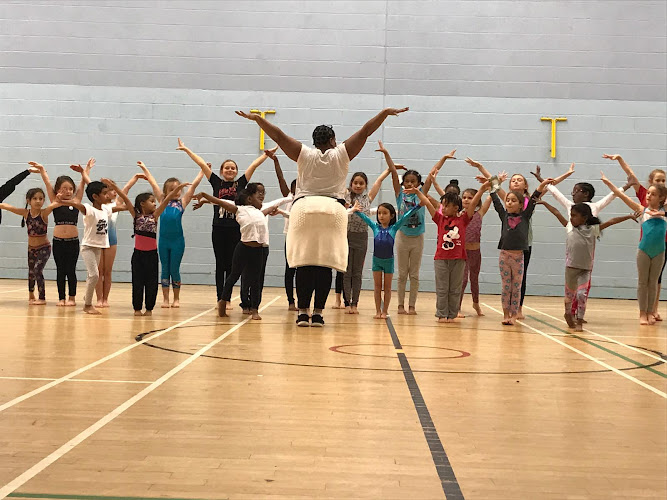
Most first sessions begin with a warm-up, often structured as a game so younger children settle in quickly. Coaches will then guide the group through age-appropriate activities covering fundamental skills such as rolls, jumps, balances, and travelling movements. For preschool classes, a parent or carer may be invited onto the floor, particularly in KinderGym-style sessions. Children are grouped by age and ability, so your child is unlikely to feel out of their depth. Clubs ask children to wear comfortable, close-fitting clothing, a leotard or shorts and a t-shirt, and to remove shoes and socks for floor work. Hair should be tied back securely. The atmosphere at a first class is generally relaxed and encouraging, with coaches focused on building confidence rather than correcting technique. Arriving a few minutes early gives your child time to take in the hall and the equipment before the session starts.